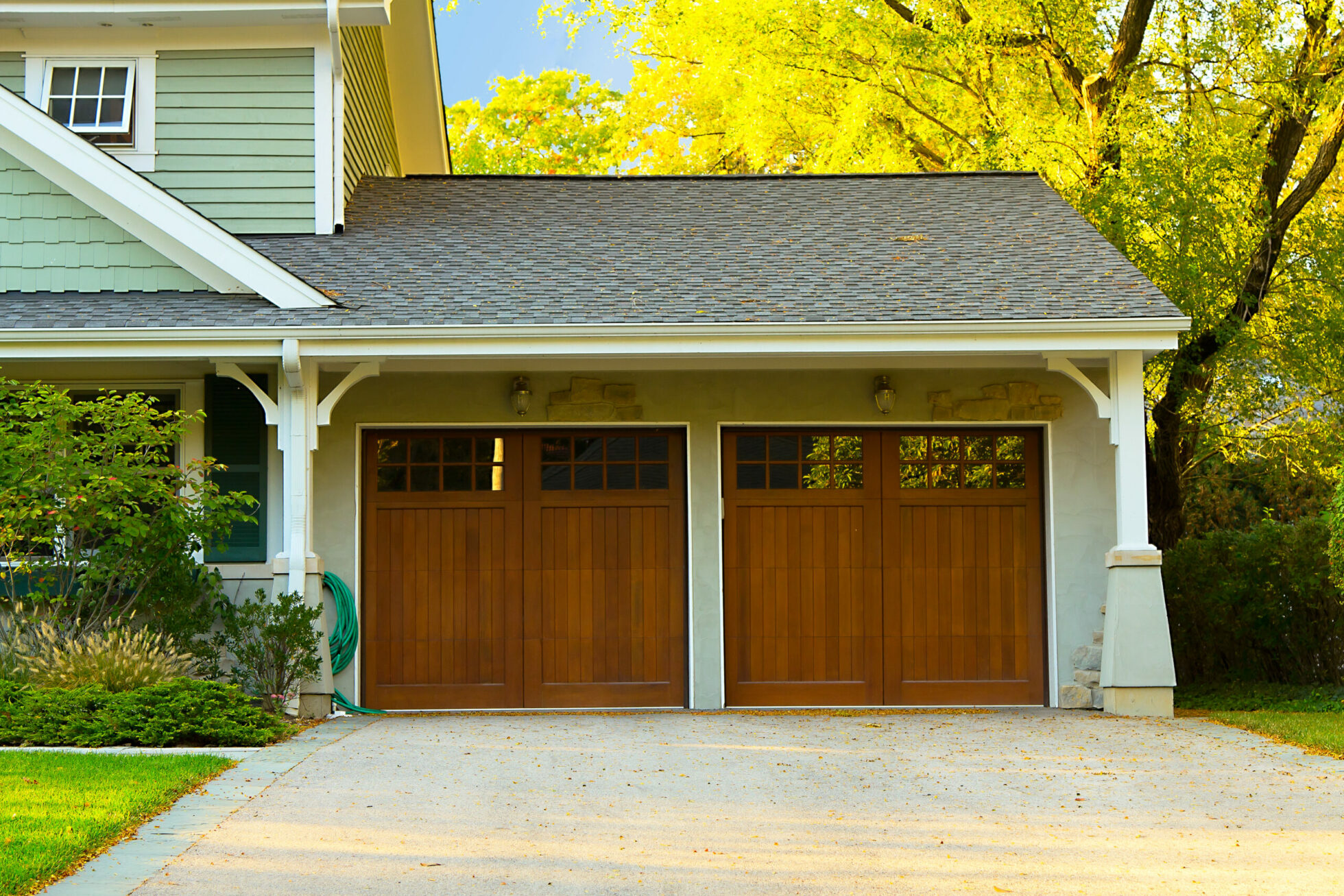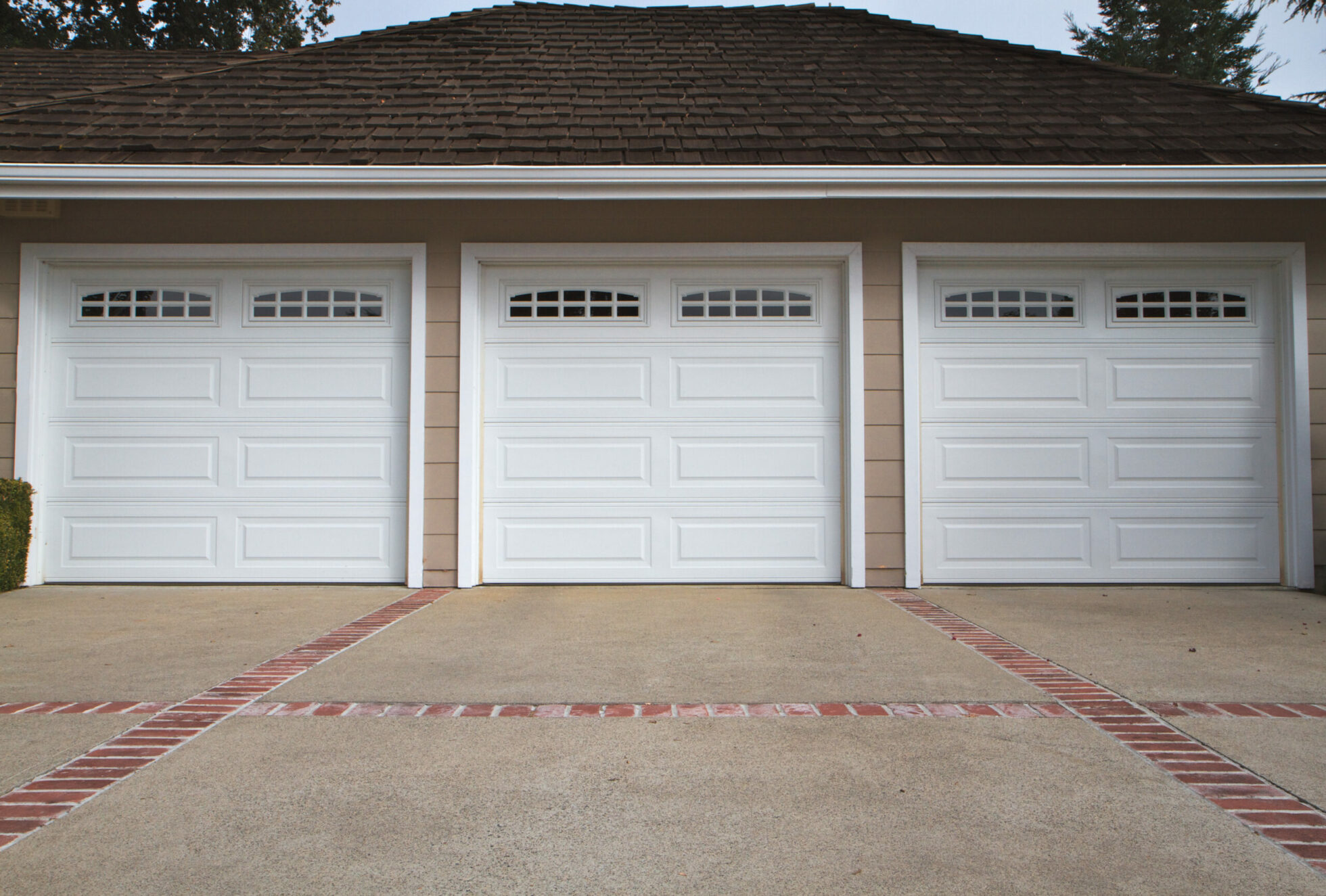
Garage doors play a crucial role in modern homes, combining functionality, security, and style. Whether you’re building a new home or upgrading your existing garage, a professionally installed garage door can transform your property. This guide explores everything you need to know about garage door installation, including the types of doors, installation process, benefits, and common concerns.
Why Garage Door Installation Matters
A garage door is more than just an entryway; it’s a key element of your home’s exterior and an essential component of its security system. Proper installation ensures smooth operation, long-term durability, and enhanced safety.
An expertly installed garage door improves the overall functionality of your garage, making it easier to access and use. Additionally, it boosts the curb appeal of your home, increasing its market value. Whether you prioritize aesthetics, energy efficiency, or security, the right garage door can meet your specific needs.
Types of Garage Doors
Choosing the right garage door is essential to achieving the desired functionality and appearance. Garage doors come in a variety of styles and materials, each with unique benefits:
Sectional Garage Doors
These are the most common type, consisting of horizontal panels that open vertically and fold along the ceiling. They’re highly versatile and compatible with automatic openers.Roll-Up Garage Doors
Made from narrow slats, roll-up doors coil into a drum above the garage opening. They are ideal for spaces with limited ceiling clearance and are commonly used in commercial settings.Side-Hinged Garage Doors
These traditional doors swing open like regular doors. They offer a classic look and are suitable for garages used as storage or workshop spaces.Tilt-Up Garage Doors
These doors are a single solid panel that tilts outward and upward to open. While they provide a sleek appearance, they require more clearance space to operate.Custom Garage Doors
For those seeking a unique style, custom garage doors can be designed to match specific architectural aesthetics and functional requirements.
The Garage Door Installation Process
Professional garage door installation involves several critical steps to ensure the door operates smoothly and safely:
Initial Assessment
The process begins with an evaluation of your garage space, including measurements, structural conditions, and wiring setup. This step ensures that the selected door fits perfectly and operates efficiently.Door Selection
Once measurements are complete, homeowners can choose a door style, material, and features based on their preferences and budget. Professionals provide guidance to help you select the best option for your needs.Installation
During installation, technicians assemble and mount the door, ensuring that it’s balanced and aligned correctly. They also install the opener, tracks, springs, and other necessary components.Testing and Adjustment
After installation, the garage door is tested for proper functionality. Adjustments are made to ensure smooth operation, safety feature functionality, and reliable performance.Final Walkthrough
Professionals conduct a walkthrough to demonstrate how the door operates, explain maintenance requirements, and answer any questions.
Benefits of Professional Garage Door Installation
Enhanced Safety
Garage doors are heavy and operate under significant tension. Professional installation ensures that all components, such as springs and tracks, are properly secured, reducing the risk of accidents.Increased Longevity
A well-installed garage door is less likely to experience operational issues, resulting in fewer repairs and a longer lifespan.Improved Functionality
Professionals ensure the door operates smoothly and quietly, with features like auto-reverse mechanisms and smart technology integrated seamlessly.Energy Efficiency
Insulated garage doors reduce energy loss, maintaining a comfortable temperature inside the garage. This is especially beneficial for attached garages or spaces used as workshops.Curb Appeal and Home Value
A stylish garage door enhances the appearance of your home and can increase its market value, making it a worthwhile investment.
Table: Advantages and Disadvantages of Professional Garage Door Installation
| Aspect | Advantages | Disadvantages |
|---|---|---|
| Safety | Proper installation reduces risk of accidents. | Higher cost compared to DIY installation. |
| Durability | Ensures long-term performance and fewer repairs. | Requires professional scheduling and coordination. |
| Energy Efficiency | Better insulation options save on energy bills. | Insulated doors may have a higher upfront cost. |
| Aesthetic Appeal | Wide range of styles to complement home design. | Custom designs may take longer to produce. |
| Smart Technology | Seamless integration with modern home systems. | Requires compatibility with existing smart home devices. |
DIY Installation vs. Professional Services
While DIY installation might seem like a cost-effective option, it comes with significant risks. Garage doors are complex systems that require precision and expertise to install correctly. Improper installation can lead to operational issues, reduced safety, and voided warranties.
Professional installers not only have the tools and experience to handle complex installations but also provide peace of mind through warranties and reliable customer support. While the upfront cost may be higher, the long-term benefits outweigh the risks of DIY attempts.
Maintenance Tips for Your New Garage Door
To ensure your garage door remains in top condition after installation, regular maintenance is essential:
- Lubricate Moving Parts: Apply lubricant to hinges, rollers, and tracks to reduce friction and prevent wear.
- Inspect for Damage: Periodically check for dents, cracks, or rust on the door and its components. Address issues promptly to prevent further damage.
- Test Safety Features: Ensure that sensors and auto-reverse mechanisms are functioning properly to maintain safety.
- Clean the Door: Wash the exterior with mild soap and water to preserve its appearance and protect against weather damage.
Scheduling annual professional maintenance checks is also recommended to catch potential problems early and keep your door operating efficiently.
FAQs About Garage Door Installation
Q: How much does a garage door installation cost?
A: The cost varies depending on the type, material, and features of the door. Prices typically range from $700 to $4,000, including professional installation.
Q: How long does it take to install a new garage door?
A: Most installations take 3-6 hours, but the timeline can vary depending on the door type and complexity of the installation.
Q: Do I need to replace my opener when installing a new garage door?
A: Not necessarily. If your current opener is compatible and in good condition, it can be reused. However, upgrading to a newer model may offer additional features and improved performance.
Q: Can I install a garage door myself?
A: DIY installation is not recommended due to the complexity and safety risks involved. Professional installation ensures proper alignment, functionality, and compliance with safety standards.
Q: Are insulated garage doors worth the investment?
A: Yes, especially if your garage is attached to your home or used for activities. Insulated doors improve energy efficiency and temperature regulation.
Garage door installation is a valuable investment that enhances your home’s functionality, security, and aesthetic appeal. By choosing a professional installer and maintaining your door regularly, you can ensure reliable performance for years to come.

We Accept All Major Credit Cards