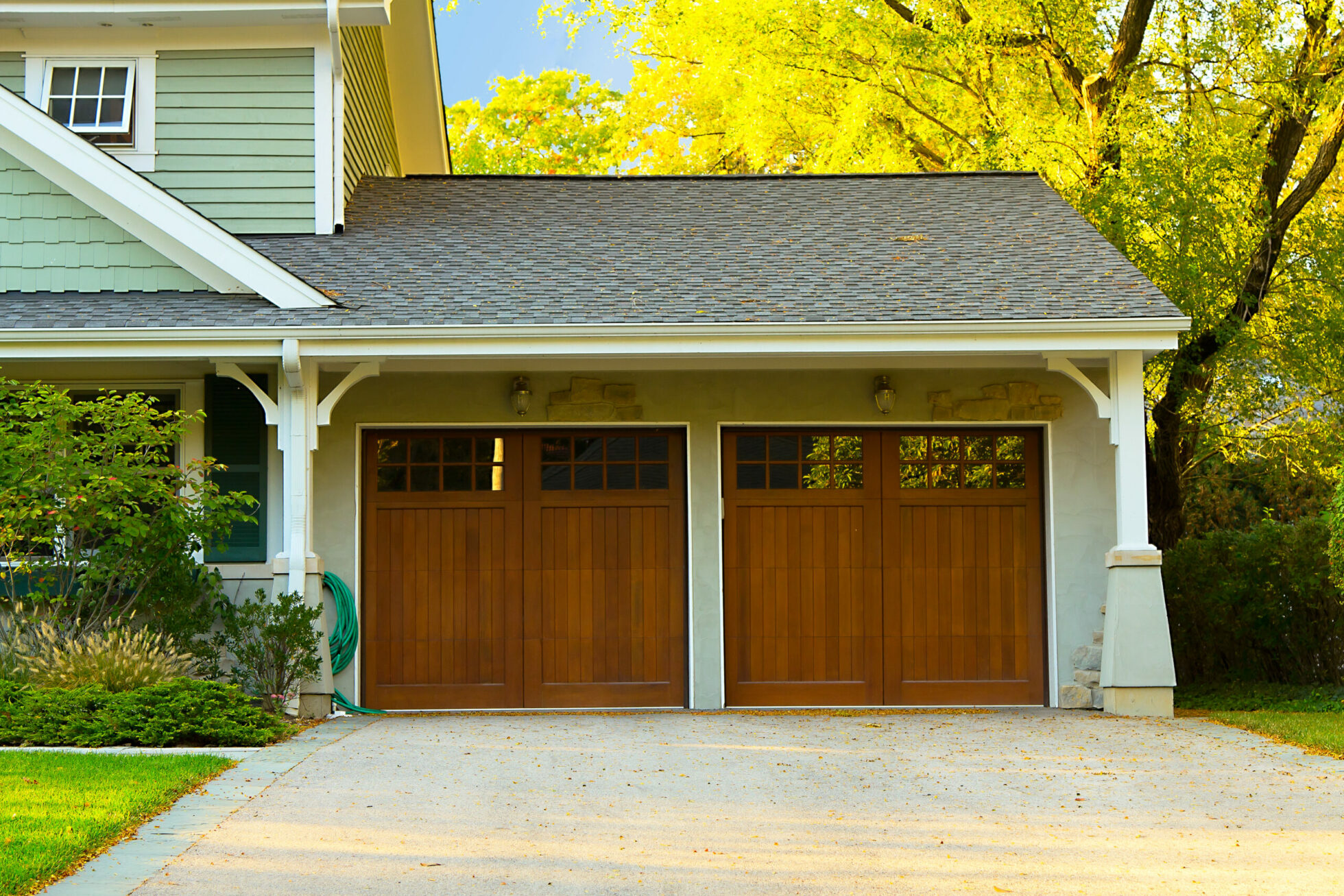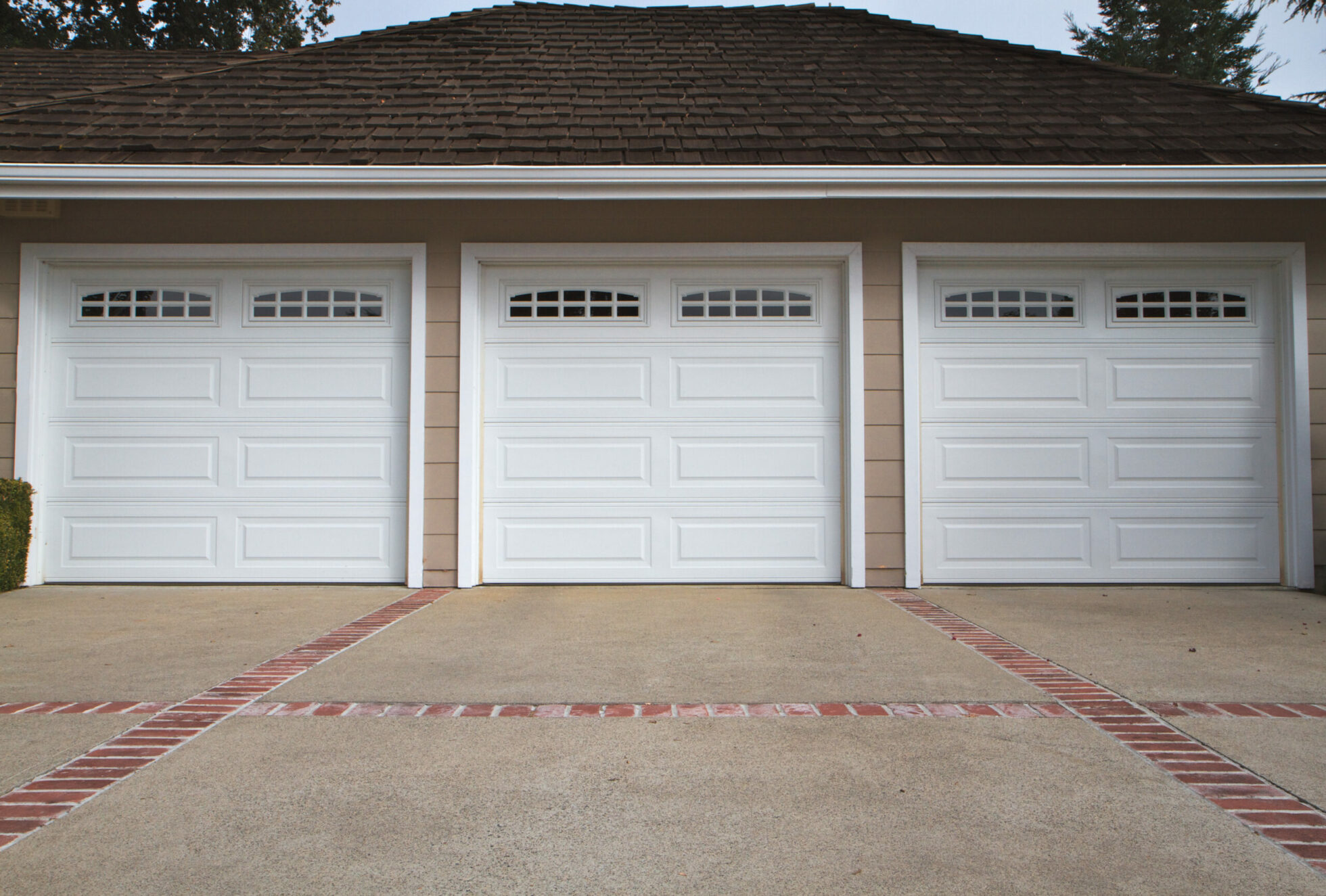
A garage door is more than just an entry point for vehicles; it’s a significant part of your home’s exterior that adds to its functionality, security, and curb appeal. Choosing a new garage door is a critical investment, whether you’re upgrading for aesthetic reasons, enhancing security, or improving energy efficiency. This article delves into everything you need to know about new garage doors, from types and features to installation benefits and maintenance tips.
Why Invest in a New Garage Door?
Upgrading to a new garage door provides a range of benefits that go beyond just appearance. Modern garage doors offer advanced features, improved safety, and energy efficiency, making them a worthwhile addition to your home.
A new garage door can significantly enhance your home’s curb appeal. With numerous styles, materials, and color options available, you can choose a door that complements your home’s architecture. Additionally, newer models come with enhanced insulation, reducing energy loss and keeping your garage comfortable year-round.
Types of Garage Doors
When it comes to selecting a new garage door, understanding the available options is crucial. Garage doors come in various materials, designs, and mechanisms, each offering unique advantages.
Sectional Garage Doors
These doors are made of horizontal panels that open vertically and slide along the ceiling. Sectional doors are popular for their space-saving design and compatibility with automatic openers.Roll-Up Garage Doors
Roll-up doors consist of narrow horizontal slats that roll into a coil above the opening. Commonly used in commercial spaces, they are durable and ideal for areas with limited ceiling space.Side-Hinged Garage Doors
These traditional doors swing open like regular doors, offering a classic aesthetic. They are particularly suited for garages that double as workshops or storage areas.Tilt-Up Garage Doors
Tilt-up doors operate as a single panel that tilts outward and lifts upward. They provide a clean, seamless look but require more clearance to operate.
Benefits of Modern Garage Doors
Enhanced Security
Modern garage doors feature reinforced materials, tamper-resistant locking mechanisms, and advanced access control systems, ensuring the safety of your home and belongings.Improved Insulation
Insulated garage doors help regulate temperature, reducing energy costs and making your garage more comfortable. This is especially beneficial if your garage is attached to your home or used as a workspace.Smart Technology
Many new garage doors come equipped with smart technology, allowing you to control and monitor your door remotely using a smartphone. Features like real-time alerts and scheduled openings provide added convenience.Low Maintenance
Newer garage doors are designed to be durable and resistant to wear, reducing the need for frequent repairs or maintenance. Materials like steel, aluminum, and composite wood are both robust and weather-resistant.
How to Choose the Right Garage Door
Choosing the perfect garage door involves considering factors like functionality, durability, and style. Begin by assessing your garage’s size and how you use the space. For instance, insulated doors are ideal for garages used as workshops or home gyms, while non-insulated options may suffice for standalone garages.
Pay attention to materials when selecting a door. Steel doors are known for their durability and low maintenance, while wooden doors provide a classic look but may require more upkeep. Aluminum and fiberglass options are lightweight and resistant to rust, making them suitable for coastal areas.
Additionally, consider your budget and long-term goals. While high-end doors with advanced features may have a higher upfront cost, they often provide better value in terms of energy efficiency and durability.
Installation and Professional Assistance
Installing a new garage door is a complex process that requires professional expertise. A poorly installed door can lead to operational issues, compromise safety, and even void the manufacturer’s warranty.
Professionals not only ensure proper installation but also calibrate the door’s balance and alignment. They test safety features, such as the auto-reverse mechanism, to guarantee that the door operates smoothly and safely. Moreover, professional installation provides peace of mind and minimizes the risk of accidents or damage.
Table: Advantages and Disadvantages of New Garage Doors
| Aspect | Advantages | Disadvantages |
|---|---|---|
| Enhanced Security | Advanced locking systems and tamper resistance. | Higher cost for premium security features. |
| Improved Energy Efficiency | Insulated doors lower energy bills and maintain comfort. | Insulated options are more expensive upfront. |
| Aesthetic Appeal | Wide range of styles and materials to enhance curb appeal. | Custom designs may increase costs. |
| Smart Features | Remote control and monitoring for convenience. | Requires Wi-Fi and compatible devices. |
| Durability and Longevity | Designed to withstand harsh weather and frequent use. | Initial investment can be significant. |
Maintenance Tips for New Garage Doors
To maximize the lifespan and performance of your new garage door, regular maintenance is essential. Here are some tips to keep it in top condition:
- Clean Regularly: Wash the door’s exterior with mild soap and water to prevent dirt buildup and maintain its appearance.
- Lubricate Moving Parts: Apply lubricant to hinges, rollers, and tracks every few months to reduce friction and ensure smooth operation.
- Inspect for Wear and Tear: Check cables, springs, and panels for signs of damage or rust. Address issues promptly to prevent further damage.
- Test Safety Features: Periodically test the auto-reverse mechanism and photo-eye sensors to ensure they’re functioning correctly.
Scheduling annual professional inspections is also recommended to identify and resolve potential issues before they become major problems.
FAQs About New Garage Doors
Q: How much does a new garage door cost?
A: The cost of a new garage door varies depending on the material, style, and features. Prices typically range from $500 to $4,000, with custom options costing more.
Q: How long does it take to install a new garage door?
A: Professional installation usually takes 3-6 hours, depending on the complexity of the door and additional features.
Q: Are insulated garage doors worth the investment?
A: Yes, insulated doors are worth the investment, especially for attached garages or if you use the space for activities. They improve energy efficiency and provide better temperature control.
Q: Can I install a new garage door myself?
A: DIY installation is not recommended due to the complexity and safety risks involved. Professional installation ensures proper functioning and safety compliance.
Q: How long do new garage doors typically last?
A: With proper maintenance, most garage doors last 15-30 years. The lifespan depends on the material, usage, and care.
Investing in a new garage door is a smart choice for enhancing your home’s security, functionality, and aesthetic appeal. With numerous options available, finding the perfect door to suit your needs and budget is easier than ever. Whether you prioritize energy efficiency, smart technology, or design, a new garage door is a valuable addition to any home.

We Accept All Major Credit Cards